
From SuSu to Afronet: The Legacy of Black Women’s Community-Building Is Now the Economy’s Blueprint
By: Jabria Williams
Wherever you look, you’ll see a roaring desire from women to have a sense of community.
This generation of women has endured unprecedented world events, all of which have shaped how we perceive the world and each other. Amid recent layoffs, political division, and societal scrutiny for simply existing, women found that community is no longer a want; it’s a must.
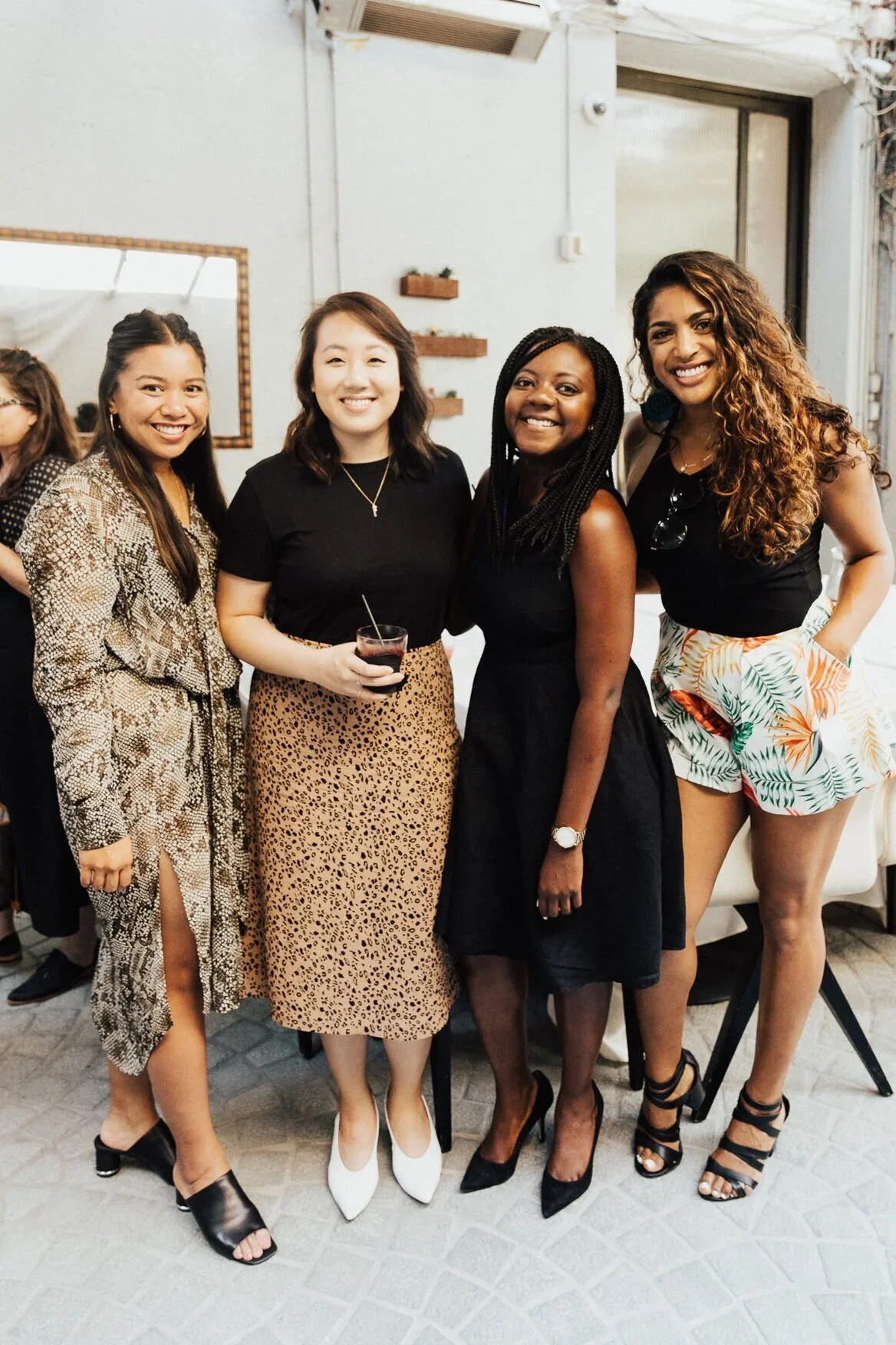
History of Digital and In-Person Communities
Like with most things, how community shows up in society has continued to evolve. From digital chat rooms, to online communities through social media. Connection is at the fingertips of those who seek it out.
Even with opportunities for connection, people of color, especially Black women, created their own path out of necessity. A necessity dating back to West African tribes.
SuSu’s were the stepping stone into the culture of community-founded groups for women of color. These networks worked to build their community while ensuring their needs were kept in mind by the ones making decisions. With a lack of support from traditional banking infrastructure, they created their own. With some pursuits so successful, some served as the foundation for the first Black brick-and-mortar stores.
The introduction of Afronet in the early ’90s served as the launching pad for people of color to connect, grow, and protect one another digitally. Designated spaces of the internet carved out for our community.
From the beginning, Black women redefined what community means, both digitally and in-person, moving from simple connection to economic empowerment in different mediums.
Covid-19 and Its Impact on Community
Covid-19 flipped how we seek community on its head. In a personal sense, we watched face-to-face moments become monotonous scrolling on Instagram. Girls’ night out become routine FaceTime check-ins.
And professionally, we saw layoffs, structure changes, and non-supportive workplaces. The world saw a shift that women of color have always felt. According to TheLi.st.com, only 19% of WOC report being happy/satisfied with their current careers. 27% do not feel respected or supported by their direct managers.
With aggressive anti-DEI policies and AI hiring biases, the wave of impending job insecurity that we saw post-Covid-19 with Black women was the start of an economic trend that all would feel.
While those insights seem stark, recent data highlights another story. Women of color are increasingly taking the outcome of their future into their own hands. Leading the wave in a want for professional ownership and belonging. According to Harvard Business Review, 17% of Black women are currently in the process of starting or running a new business.
The Road Ahead
Once the 6 foot mandate lifted and normal life returned, so did the need for in-person connection. Pop-up events, brunches, and book clubs reignited. Talking through a screen became a connection point, but in-person interactions became the new currency. It strengthened the community but also the mental, physical, and emotional well-being of the people within. We watched our world become a place that once lacked collectiveness, become a place that encouraged commonality.
“The power of community is our ability to create more opportunities for other women.” — Brittnay Hicks, Founder of WOC Worldwide.
Women of color, more than ever, are looking for a sense of belonging and ownership. Doing so while continuing to stand on the shoulders of the giants who came before them. Whether it’s West African social groups where women were not only the builders but also the protectors, or online chat boards that gave people of color a sense of connection in a digital realm that had not been seen before. Society, people, and women of color continue to evolve what community looks like and the need for it.